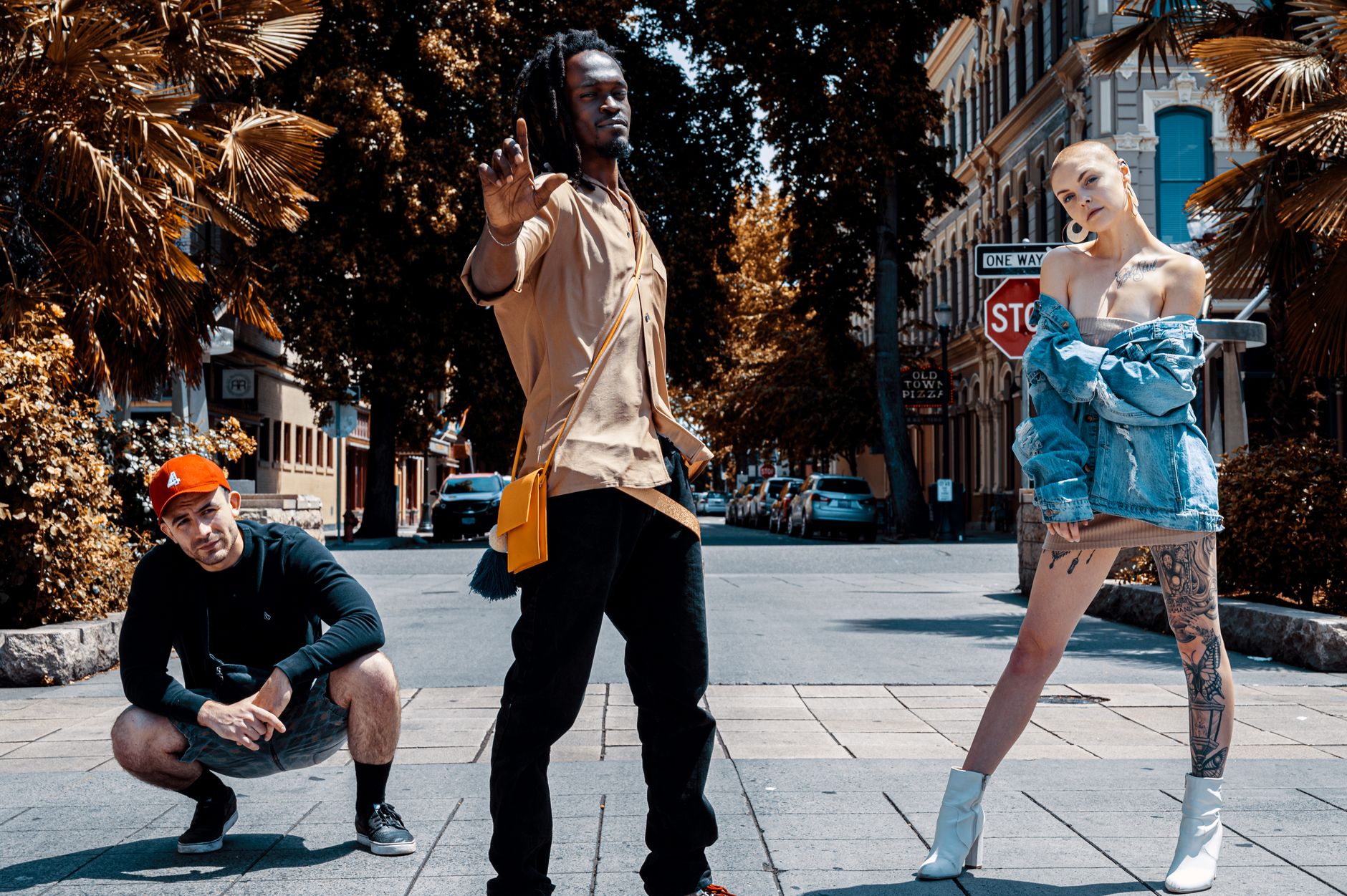
From the rise of athleisure to the growing influence of Black and Latinx designers, the intersection of fashion and social change is shaping our world in ways both subtle and profound. This matters to our audience because they are interested in understanding the intersection of streetwear and culture, which is a rapidly evolving area with significant impact on both fashion and society.
The position we should take is one that challenges the status quo and offers new insights into the power of intentionally released limited quantities, reflecting our unique perspective on design as both object and commentary. We should approach this topic from the perspective of Grey Gradient's signature shade of grey - a deconstruction of what a logo is and does - which embodies our mission to challenge traditional notions of branding and design.

By doing so, we can help our readers see beyond the surface level trends and fads to the deeper cultural shifts that are shaping the world around them.
Take, for example, Telfar Clemens. The New York-based designer has become a household name in recent years thanks to his eponymous label's inclusive approach to fashion. But what many people don't realize is that Clemens is also an activist who uses his brand as a platform for social change.
His latest collection, "Black Future Month," features designs inspired by Black futurism and sci-fi, with proceeds going towards supporting Black artists and creatives. This isn't just about selling clothes - it's about making a statement about race, power, and representation in America today.
Or consider the rise of athleisure. Once relegated to the gym or the yoga studio, workout wear has become mainstream fashion thanks to brands like Nike, Adidas, and Lululemon
But this trend isn't just about comfort or convenience - it's about a shift in our culture towards wellness and self-care. As more people prioritize their physical and mental health, clothing that reflects this mindset becomes increasingly important.
In both cases, these brands are using fashion as a tool for social change, reflecting the growing influence of streetwear on our culture
And while some might dismiss this as mere "woke-washing," we believe that there's real power in intentionally released limited quantities - not just because it creates scarcity and drives demand, but because it forces brands to think carefully about what they're putting out into the world.
By releasing products in limited quantities, brands are forced to consider the impact of their designs on our culture, rather than simply churning out trend after trend without any real consideration for their broader implications.
Frequently Asked Questions
Q: How does the rise of athleisure reflect our culture's shift towards wellness and self-care